Compare Local Contractors for Tree Curbing Installation Services
Compare local contractors for tree curbing installation to define project scope, verify experience, and set clear expectations in writing for a successful outcome.
Tree curbing installation typically involves creating a defined border around a landscaped area to contain mulch, soil, or planting beds, helping to improve the appearance and prevent erosion. This work can include various materials such as concrete, stone, or rubber, and may require excavation, shaping, and precise placement to ensure a clean, durable edge. Proper installation not only enhances curb appeal but also contributes to the overall health of the trees and plants by providing a clear boundary that reduces damage from equipment or foot traffic.
Defining the scope of a tree curbing project is essential for establishing clear expectations and ensuring the work meets specific needs. Property owners should consider factors such as the size and shape of the curb, the materials used, and any additional features like lighting or decorative elements. Communicating these details in writing helps prevent misunderstandings and provides a reference point for both property owners and service providers throughout the project. A well-defined scope also assists in assessing whether a contractor has the experience and resources to handle the particular requirements of the job.
When comparing local contractors for tree curbing installation, it’s important to evaluate their experience with similar projects, the quality of their previous work, and their ability to deliver on the scope outlined. Property owners can ask for references or examples of completed work to gauge reliability and craftsmanship. Additionally, reviewing credentials such as insurance coverage and understanding each contractor’s approach to project planning can help ensure a smooth process. Taking the time to compare these factors can lead to a more informed decision and a successful outcome for the curb installation.
Compare local contractors by outlining project priorities, verifying experience, and documenting expectations clearly in writing.
- Compare Contractor Experience - Review the background and project history of local contractors to ensure relevant experience with tree curbing installation.
- Define Project Scope Clearly - Outline specific requirements and expectations to facilitate accurate proposals and avoid misunderstandings.
- Verify Service Provider Credentials - Confirm qualifications and references to assess the reliability and professionalism of local contractors.
- Document Agreements in Writing - Ensure all project details, responsibilities, and expectations are documented to prevent disputes.
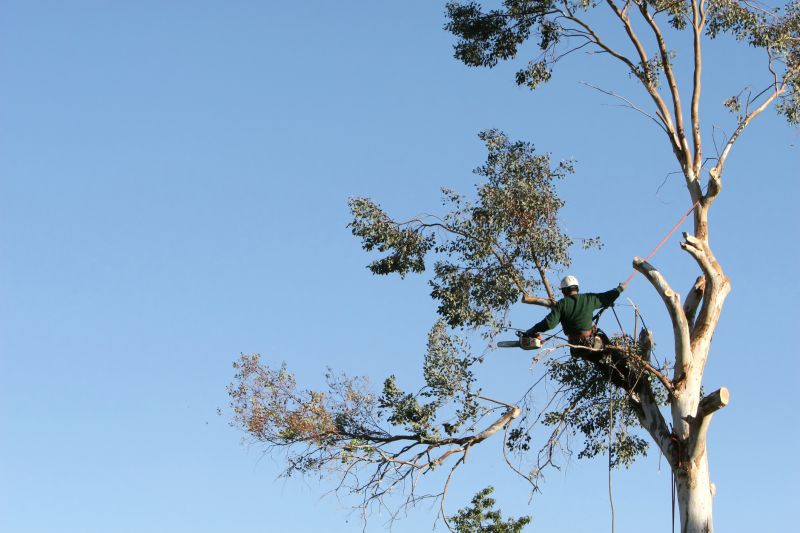
Clearly describe your tree curbing project to compare local contractors, verify experience, and set expectations in writing.
- Verify the experience and reputation of local contractors specializing in tree curbing installation. - Ensure scope of work is clearly defined and documented in writing before starting the project.
- Compare multiple service providers to assess their expertise and approach to tree curbing installation. - Confirm that contractors understand the specific requirements for your trees and landscape.
- Check that contractors provide detailed descriptions of the materials and methods they plan to use. - Look for clear communication about the installation process and any potential site considerations.
- Assess whether service providers are willing to provide references or examples of previous similar projects. - Make sure expectations regarding the work are aligned and documented to prevent misunderstandings.
- Determine if contractors are transparent about their process and are open to discussing your project needs. - Establish a clear scope of work and responsibilities to ensure smooth project execution.
Compare local contractors' experience, clarify project scope, and set clear expectations in writing.
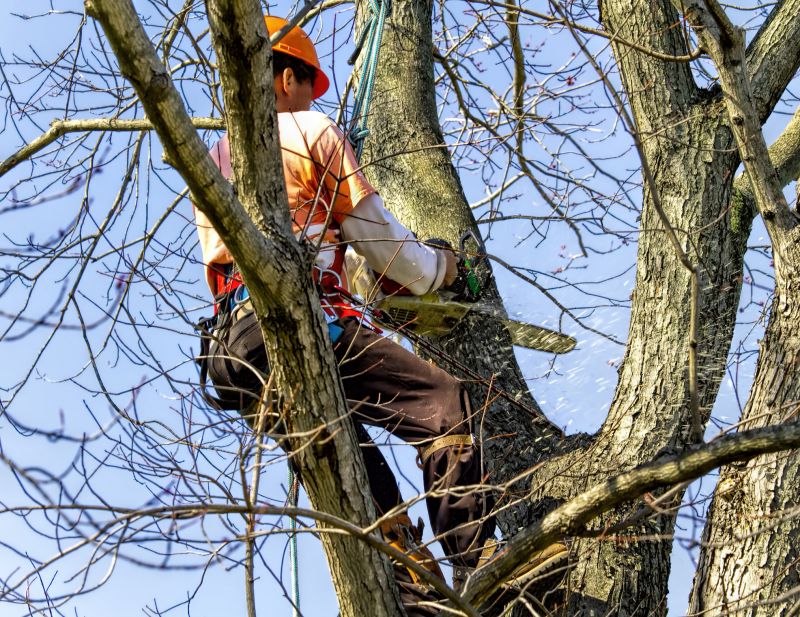
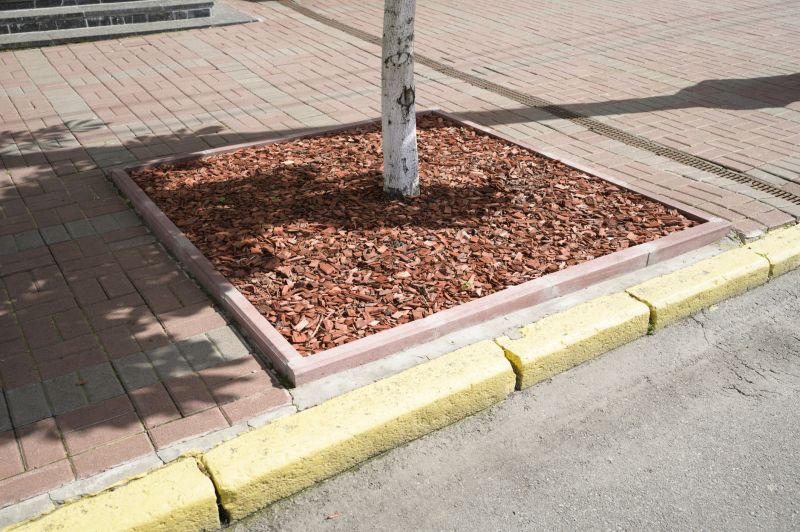
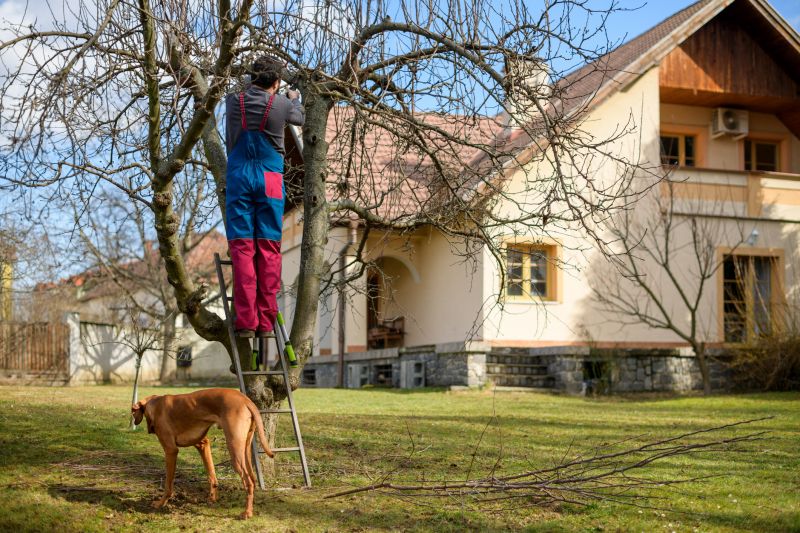
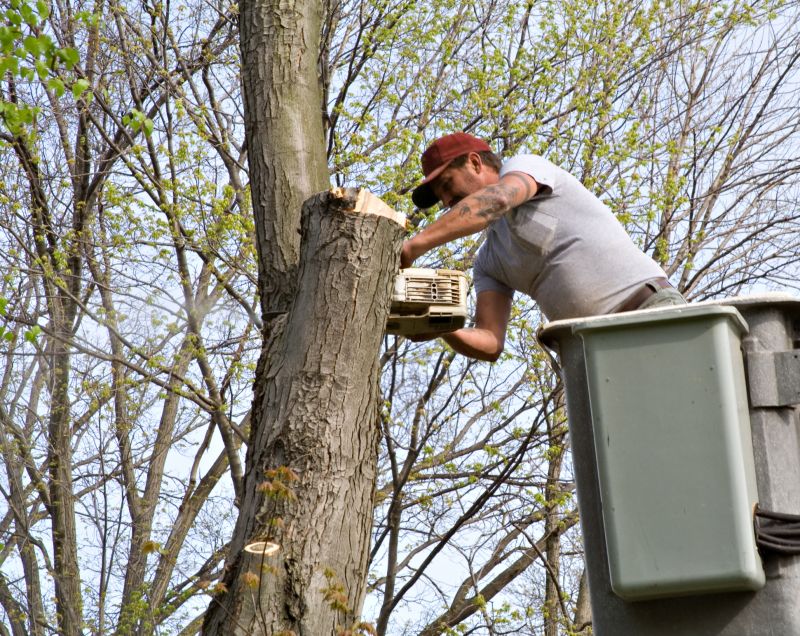
This scope builder helps you compare local contractors, define project details, verify experience, and set clear expectations.
- Scope Definition - Clearly specify the extent of tree curbing installation to ensure mutual understanding between the homeowner and local contractors.
- Material Selection - Identify the types of materials to be used for the curbing to match aesthetic preferences and durability requirements.
- Experience Verification - Confirm that local service providers have relevant experience in tree curbing installation projects of similar scope.
- Work Specifications - Outline detailed work requirements, including measurements, design preferences, and installation techniques.
- Written Agreement - Ensure all project details, expectations, and responsibilities are documented in a comprehensive written scope.
When comparing contractors for tree curbing installation, it is important to evaluate their experience with similar projects. Homeowners should inquire about the types of tree curbing jobs the service providers have completed in the past, paying attention to the size, scope, and complexity of those projects. Contractors with a history of handling comparable work are more likely to understand the specific requirements and challenges involved, which can contribute to a smoother installation process. Gathering details about their previous work can help determine whether a contractor has the relevant background to meet the project's needs effectively.
A clear, written scope of work is essential when assessing different service providers. Homeowners should seek detailed descriptions of what each contractor intends to do, including the materials to be used, the extent of the installation, and any preparatory or cleanup work involved. Having a well-defined scope helps prevent misunderstandings and ensures that expectations are aligned from the outset. It also provides a basis for comparing the thoroughness and professionalism of each contractor’s proposal, making it easier to identify the most comprehensive and transparent options.
Verification basics are crucial in evaluating contractors for tree curbing installation. Homeowners should verify that the service providers have appropriate experience with similar projects and request references or examples of completed work. It’s also helpful to confirm that the contractors follow industry best practices for site preparation and installation techniques. While licensing and certification are not always required, checking for consistent professionalism and adherence to safety standards can provide additional confidence in their capability. Proper verification helps ensure the selected contractor is qualified to deliver quality results.
Evaluating options without focusing on prices involves considering the quality of communication, professionalism, and the clarity of proposals. Homeowners should compare how each contractor describes the scope of work, the materials they plan to use, and their approach to project execution. It’s also beneficial to assess their responsiveness and willingness to answer questions, as these can indicate their level of expertise and commitment. By focusing on the details of each proposal and verifying the contractor’s experience and methodology, homeowners can make informed decisions that align with their project expectations and needs.
Ask contractors to provide written scope details to ensure clear expectations and consistent project understanding.
- Experience and Qualifications - What experience do local contractors have with tree curbing installation projects?
- Scope of Work - How will contractors define and document the specific scope of the tree curbing installation?
- Materials and Techniques - What materials and methods do local service providers typically use for tree curbing?
- Project Expectations - How do contractors clarify project expectations and deliverables in writing?
- Comparison Factors - What criteria should be used to compare the capabilities and approaches of different local contractors?
How can I compare contractors for tree curbing installation? To compare contractors, review their experience with similar projects, check references or reviews, and verify the scope of services they offer to ensure they meet specific project needs.
What should I consider when defining the scope of tree curbing installation? Clearly outline the area to be covered, the type of curbing material, and any additional features or finishes needed to ensure contractors understand the project requirements.
How do I verify the experience of local contractors? Ask for details about their previous work, request references, and review any portfolio or examples of completed tree curbing projects to assess their expertise.
Why is it important to have agreements in writing? Written agreements help define project scope, responsibilities, and expectations, reducing misunderstandings and providing clarity for both parties involved.
What questions should I ask when evaluating potential contractors? Inquire about their experience with similar projects, the materials they recommend, their process for installation, and how they handle project details and expectations.
How can I ensure that the scope of work is clearly understood? Discuss project details thoroughly, request a detailed written plan, and confirm all aspects of the installation are included before proceeding with any contractor.
This page has provided an overview of what to consider when choosing contractors for tree curbing installation. Visitors learned how to define the scope of their project, verify the experience of potential service providers, and set clear expectations through written agreements. These steps can help ensure a smooth process when comparing options among local contractors.
To find the right service provider for tree curbing installation, using the quote form can facilitate connecting with local contractors who match your needs. Comparing multiple options allows for a better understanding of what each offers and how they approach the project, helping to make an informed decision.